

Washable Printed Carpet, Which One Is Good for Your Home?
2026-09-30
You spot a gorgeous washable printed carpet online—then pause. Will it survive your hallway, your dog, and your washing machine? Plenty of rugs look great in photos but turn stiff, faded, or frayed after a wash or two. That's exactly why choosing the right one matters. In this post, we'll walk through what separates a genuinely good washable printed carpet from the rest, with Senseco as a brand worth watching.
Spills Happen—Here's How the Right Carpet Shrugs Them Off
A glass of red wine tips over during a dinner party, and most carpets would need a rescue plan before the stain sets. Low-pile nylon and polyester blends, especially those with a tight twist, force liquids to bead on the surface rather than sinking straight into the backing. That extra second or two is usually enough to grab a cloth and blot the mess away without leaving a trace.
The real difference comes down to how the fibers are engineered and finished. Solution-dyed yarns lock color into the polymer before the carpet is even woven, so even harsh cleaning agents won't strip out the pigment. A fluorocarbon or plant-based stain barrier adds another layer of defense by coating each strand, which means everyday spills—coffee, juice, pasta sauce—wipe up instead of becoming permanent residents.
Low Pile, High Pile, and the Foot Traffic Middle Ground
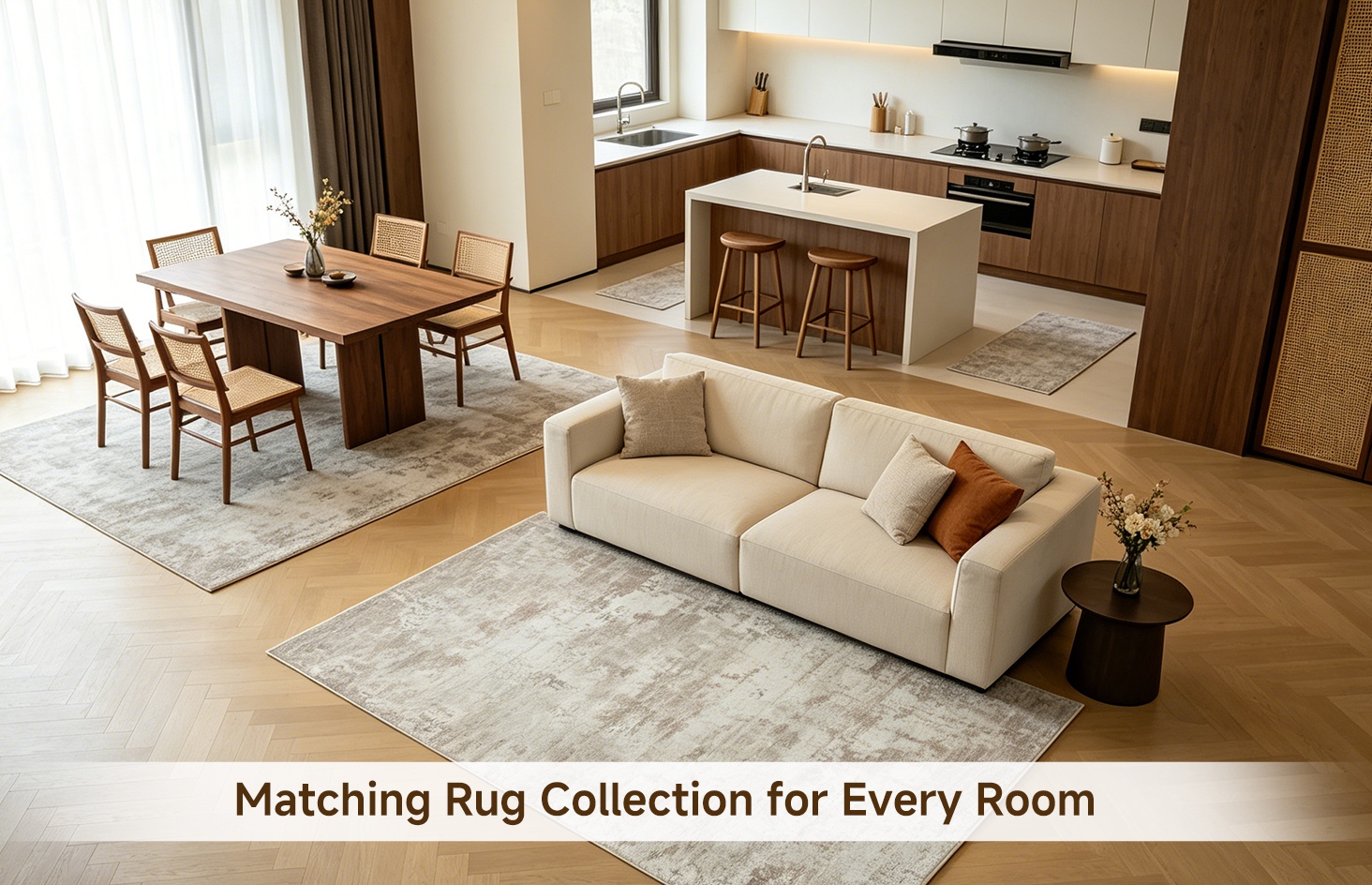
Low pile rugs have a tight, flat weave that shrugs off constant foot traffic, vacuums easily, and keeps dirt from settling deep into the fibers. That makes them the obvious choice for entryways, hallways, and stairs—places where a plush surface would quickly flatten and show a worn path.
High pile, on the other hand, trades durability for a soft, cushioned feel underfoot. It looks inviting in a bedroom or a formal sitting room, but the same long fibers that feel so good also trap dust, show footprints, and mat down in busy areas. Put it where you walk barefoot, not where shoes and pets roam.
The foot traffic middle ground usually comes down to a medium pile or a textured loop style. These options offer enough softness for comfort but with a denser construction that springs back after use. A medium-height pile with some pattern or tonal variation also hides everyday dirt better than a solid, plush surface—so you get a rug that still feels cozy without needing constant fuss.
The Prints That Hide Life's Little Accidents
Bold patterns do more than catch the eye—they quietly absorb the chaos of daily living. A splash of coffee, a scuff from a chair, a pen mark that wandered off the page: on a busy floral or a deep geometric repeat, these little accidents lose their edge and simply become part of the texture.
That camouflage effect isn't just practical; it changes how a room feels. Instead of hovering over guests with coasters or apologising for a smudge on the wall, you get to relax into the space. The print turns imperfection into character, making a home look lived-in without looking worn-out.
Look for designs with irregular motifs, mid-scale repeats, or layered color—those tend to hide marks far better than flat solids or delicate stripes. And when you stop treating every stain like an emergency, the pattern itself becomes a small act of freedom.
Sizing Up Your Space Without the Guesswork
Start by ignoring the square footage printed on floor plans or rental listings. Those numbers are often rounded up and include walls, closets, and unusable corners. Instead, take a tape measure to the actual rooms you care about, and write down the length of every wall that will hold furniture. Note window sills, radiators, baseboard heaters, and outlet placements as you go, because a sofa that fits on paper can still block a vent or crowd a walkway once it arrives.
Measure doorways, stairwells, and elevator openings before falling for a bulky piece. A dining table might clear your living room with ease but never make the turn into your hallway. Keep a minimum of 36 inches for main walkways and around 18 inches between a coffee table and sofa so legs and knees have room. For beds and dressers, leave at least 24 inches on the most-used side, and remember that drawers and cabinet doors need their own swing space.
Finally, map it out with masking tape on the floor rather than relying on mental math. Outline the footprint of each new piece, then live with those outlines for a day or two. Walk through the room, open drawers, pull out chairs, and test whether the flow still works. This low-tech rehearsal catches clearance problems early and turns what feels like guesswork into a simple check you can trust.
Washing Day Truths: What Actually Survives the Machine
The cotton tee you’ve washed forty times still holds its shape, but the cheap poly-blend from that one fast-fashion haul has already pilled into oblivion. It’s not magic—it’s fiber length, weave density, and a little bit of luck. Long-staple cotton, linen, and wool with a tight twist tend to outlast the agitator, while loosely spun yarns and thin knits surrender after a dozen cycles. Check the inside label: if it says "hand wash" and you’ve been machine-washing it anyway, don’t be surprised when the seams start to ripple.
Color is another survivor’s game. Dark denim fades, yes, but the real killer is hot water plus cheap dye. A well-dyed indigo or reactive-dyed cotton can hold its hue for years if you wash cold and turn it inside out. Synthetics like polyester actually trap dye better than natural fibers, but they also hold onto body oils, which is why that “clean” gym shirt still smells like a locker room after a wash. The machine doesn’t ruin everything—it just exposes which fabrics were built to take a beating.
Hardware matters too. Zippers, buttons, and snaps made from metal or thick resin survive, but thin plastic toggles crack after a few tumbles. Elastic waistbands lose their spring because heat and detergent break down the rubber core, not because the fabric itself fails. Want to know what actually survives? Look at the stitching: tight, even seams with reinforced stress points are the quiet heroes of laundry day, while serged edges that look neat on day one unravel into thread nests by month three.
From Kid Chaos to Pet Paws: A Room-by-Room Reality Check
Start in the living room, where sticky fingerprints on the sofa and a rogue tennis ball under the coffee table tell the whole story. Kids leave crayons wedged between cushions; dogs leave a fine layer of fur on the rug that no amount of vacuuming fully conquers. The reality is less magazine spread and more controlled collision, which is exactly why this room teaches you to pick your battles. A washable slipcover and a basket for toys beat a pristine white couch every time.
Move into the kitchen and you will find the real frontline: one half of the floor is a mosaic of dropped cereal, the other half hosts a water bowl that has been kicked over twice before noon. Young kids are learning to eat without launching a spoonful of yogurt, while the dog is convinced every crumb is a gift from above. Smart storage down low for unbreakable cups and a mat under the pet bowls can keep the chaos from turning into a slip hazard, but the room will never be spotless during waking hours.
Bedrooms get trickier because they serve two masters. A child's room often doubles as a stuffed animal sanctuary and a Lego minefield, while the family pet sees the same space as a quiet nap zone until a toddler charges in. The bathroom, oddly enough, becomes the most honest room in the house: it is where you rinse mud off paws and bubble bath out of hair, often in the same hour. Accepting that every room has a shifting purpose is the first step toward a home that works for both species without making you lose your mind.
FAQ
Fiber matters more than pattern. Solution-dyed nylon or polyester tends to hold color well because the pigment is part of the thread, not printed on top. Also wash in cold water on a gentle cycle, and skip fabric softener—it coats the fibers and makes the print look hazy. If the carpet’s label says surface printed, expect some fade over time.
A large-scale print can actually make a small room feel a bit bigger because your eye reads fewer, bolder shapes instead of many busy details. But keep the color palette limited—two or three tones work best. If the pattern has too many contrasting colors, it creates visual noise and the room feels cramped. So size isn't the enemy; color contrast is.
Even if the carpet has a rubber backing, add a separate non-slip pad underneath. Washable rugs often lose some grip after a few cycles, and the pad also protects the floor from any backing residue. Choose a pad slightly smaller than the rug so it doesn't peek out at the edges.
Avoid anything with a thick, loose pile—like shag or high-low textures—because pet hair and crumbs get trapped deep and don't release easily in the wash. Flatweave or low-pile printed carpets are easier to vacuum and clean. Also check that the backing is latex-free if pets chew, since latex can be harmful if ingested.
For an entryway or kitchen runner, every two to three weeks is realistic if you vacuum in between. For a living room rug with moderate traffic, once a month usually keeps it fresh. More frequent washing can wear down the backing, so if it starts to feel thin or the edges curl, stretch the interval and spot-clean instead.
Not blindly. Check the size limits on the label—many home washing machines can't handle anything over 5x7 feet without straining the drum. Also look at the backing: woven or felt backings often survive better than foam backings, which can crumble after repeated cycles. If you have a front-loader, use a bulky cycle and dry flat or on low heat.
Go for a smaller, low-contrast print like a tone-on-tone geometric or a scattered motif. It adds texture without fighting the existing patterns. If your furniture is heavily patterned, a mostly solid carpet with a subtle border print often ties the room together better than another big statement pattern.
Edging. Cheap washable printed carpets often have raw or poorly bound edges that fray after a few washes. Run your finger along the edge; if it feels flimsy or you see loose threads, skip it. A tightly serged or folded edge will outlast a slightly thicker pile, so put your money there rather than on extra thickness.
Conclusion
Choosing a washable printed carpet often starts with the pattern, but the real test is how it handles daily spills. Look for a low-profile or tightly woven surface that keeps liquids from soaking in quickly, and pick prints with varied tones or mottled textures—they hide the faint stains that even the best cleaning leaves behind. In busy rooms like hallways or living areas, avoid very high pile; it traps crumbs and pet hair. Instead, go for a dense short pile that still feels comfortable but does not become a dirt magnet.
Measure the actual floor space and leave a small margin around the edges, because machine washing can cause slight shrinkage and you do not want a rug that suddenly looks undersized. When it comes to washing, favor rugs with a removable cover or a lightweight, stitched-edge construction over thick, heavily glued options—these survive repeated cycles without fraying or losing shape. For homes with kids and pets, think room by room. A dark or finely patterned flatweave works well under the dining table, a medium-pile printed rug softens a play corner, and a low-maintenance accent rug in the bedroom gives you style without constant upkeep.
Contact Us
Contact Person: Ivy Yin
Email: [email protected]
Tel/WhatsApp: +86 18519681805
Website: https://www.sensecomarketing.com/